Why Gdańsk?
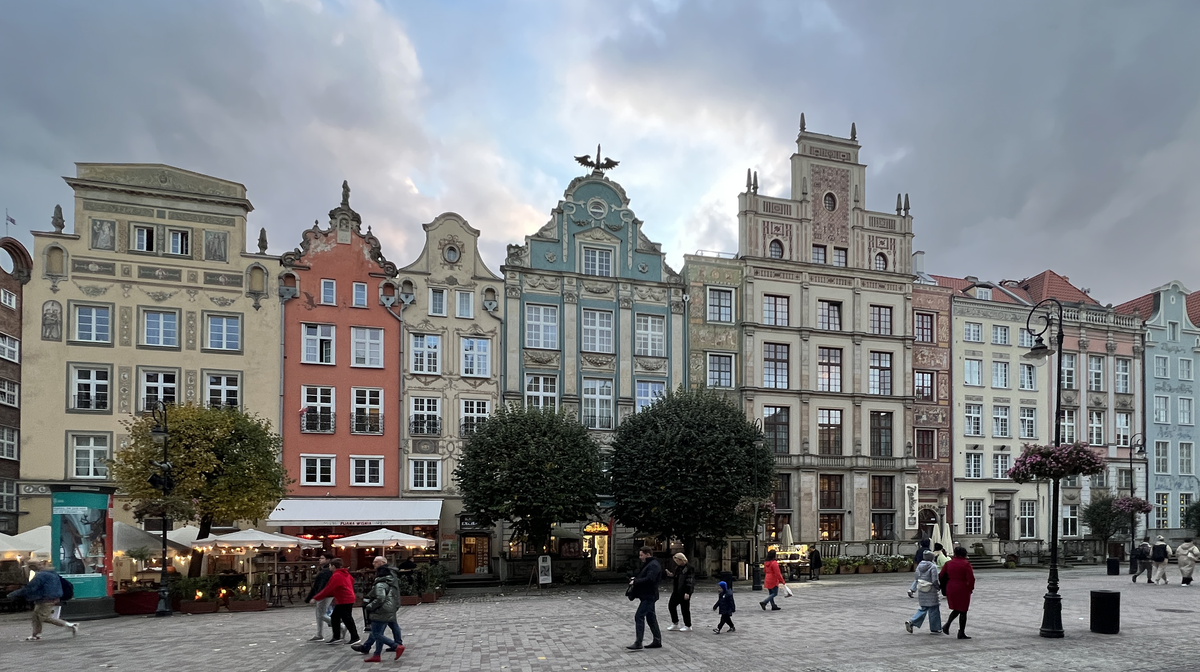
“Why Gdańsk?” is the first question everyone asks when I tell them I’m moving there, often while surreptitiously googling where exactly that is. “Do you have family there?” is the natural follow up. “No,” I say. I am from Poland but most of my family lives in Warsaw, which is a little over two and a half hours from Gdańsk. Or, if you ask me, the perfect distance to keep one's family. Especially if they are as delightful as mine.
In fact, I had never been to Gdańsk until earlier this spring, but the city has always fascinated me. Its place is unique in Polish history. It is one of Poland’s most ancient cities, founded in the late tenth century, and it has spent most of that history being tossed back and forth between Poland and Germany. There were centuries in which it flourished because of Baltic trade, attracting merchants from all over Europe, even opening itself up to persecuted religious minorities like the Protestants and the Jews. Before it most recently landed back in Poland after World War II, it was a Free City, a designation I always found romantic. In practice it was anything but–the shared power arrangement between Poland and Germany was fraught with friction which eventually produced the spark that ignited the war.
When I landed here for the first time in the spring, I noticed that Gdańsk had adopted “The City of Freedom” as its tagline. “Oh, what perfect branding!” thought I, a former brand director. See, in addition to having been a Free City, it was also the birthplace of Solidarity. It was in the Gdańsk Stockyard where Lech Walęsa organized the workers and started the movement that eventually toppled the communist government in 1989. That was just over a year after I had left for the US at the age of 14. “Had I known that I was the one propping it up, I would have left earlier,” I sometimes quip.
“This is a sign” I thought after hearing that I was getting laid off. I had been feeling burned out and the prospect of looking for another job filled me with dread. I had become part of that mass that Thoreau talked about, living a life of quiet desperation, going from job to job, striving for advancement and a larger paycheck. “But it is a characteristic of wisdom not to do desperate things” wrote the philosopher. Was this my chance to gain that wisdom? Was freedom possible and what did it actually mean? Wasn’t the City of Freedom the perfect place to ponder those questions?
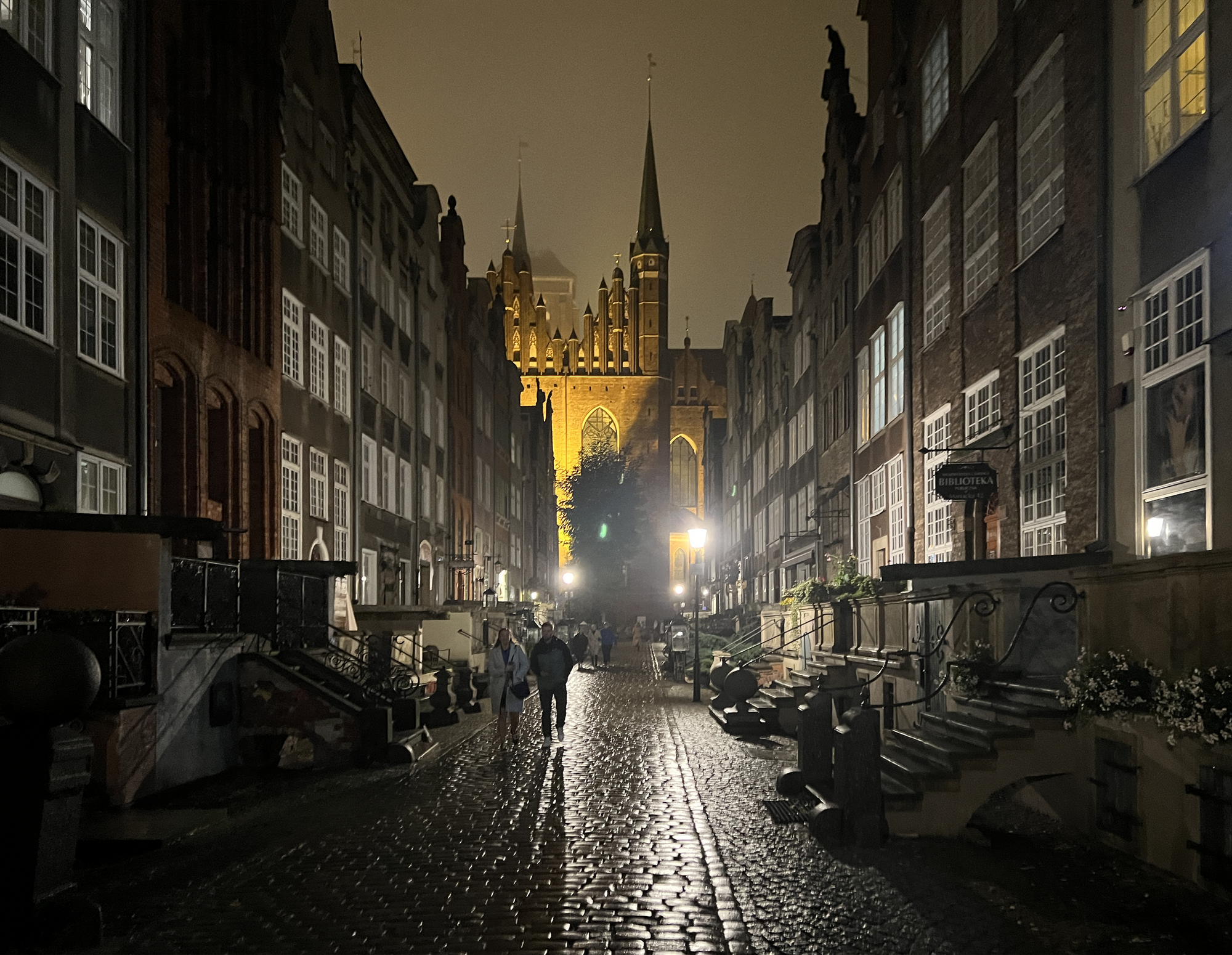
There are other, more practical reasons for choosing Gdańsk. It’s relatively cheap, especially by US standards. I can live here comfortably for less than a half of what I was spending in Boston. I speak the language. The food is great. My family, as already stated, lives at the perfect distance. Most of all, Gdańsk is a beautiful city.
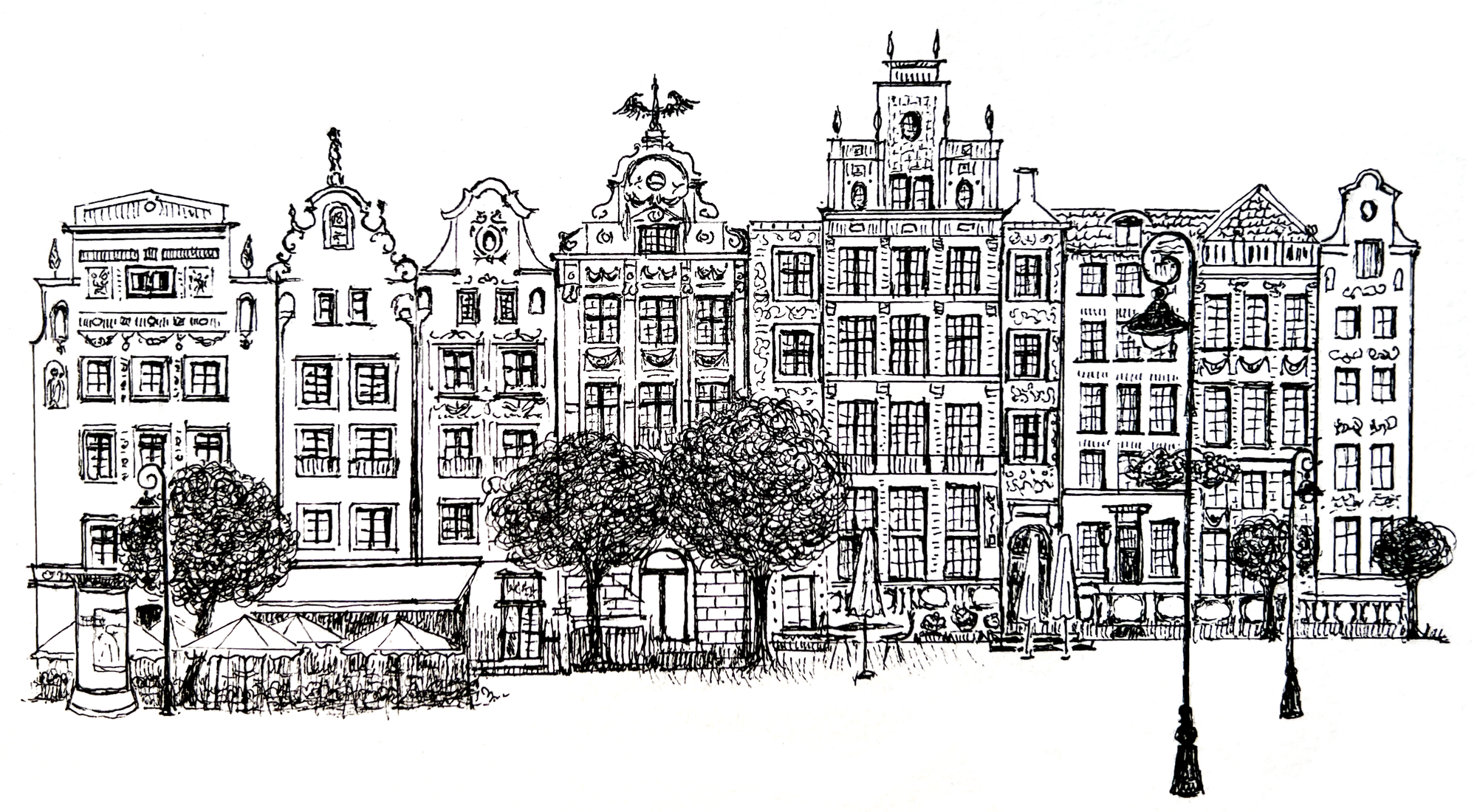
After it was almost totally destroyed in WWII, it was rebuilt not as it was before the war, but as it had been during its golden age, in the seventeenth century. Its streets are lined with colorful and beautifully decorated townhouses, reminiscent of Amsterdam and gingerbread. There are small shops, cafes and restaurants on every corner. You can promenade along the river in the center of town, examining all the possible trinkets one can make out of amber. Like that golden-yellow stone, it is a unique gem.